
 Sleep.
 Sleep.
Nutrition.
Stress Resilience.
Exercise.
These are the 4 “Legs” of your healthy physique “chair.”
Take one away, you can still sit on the chair. Take 2 away and you’ve got problems. Focus too much on one and you can tip the chair over.
The goal is to try to get all 4 areas to be important. And when you go through challenging times where one cannot be addressed, give attention to the other 3 so you can maintain your health.
To all of my amazing Rockstars, be sure you’re not placing SO much emphasis on exercise alone that you’re neglecting your nutrition, sleep or actively building stress resilience.
If you get sick, injured, or need to take an unplanned day or month off from your usual workout routine, use the time for one of these other pillars that hold you up, and don’t “sweat it.”
Here’s a look at the 4 Pillars and how they support us…
1: SLEEP

Sleep is #1 on my list because without sleep, you’re running in a restoration deficit for all of your normal body and brain functions. If you needed to choose which pillar to focus on first, this would be the one I would optimize EVERY TIME.
Lack of sleep messes with your metabolism by affecting glucose tolerance, making it hard to shed belly fat. Sleep timing, duration and quality play a major role in the hormones that govern appetite regulation and cortisol (stress hormone) levels.
Outside of its effects on your appearance, your ability to focus and perform at your best – and recover quickly – is clearly affected by lack of sleep.
Getting good sleep….
- Keep light away: use blackout curtains, get an eye mask (I sleep with one every night) to reduce light’s effects on your skin and eyes which signal your body that it’s time to wake up.
- Reduce your exposure to blue light, especially before bedtime: wear blue blocking glasses to help with exposure to light from cell phones, computers and TV’s. Too much exposure to these lights – especially at night – make it much harder to fall asleep.
- Sleep in a cool environment: studies show that sleeping in warmer temperatures increases wakefulness, so try lowering the temperature in your room and snuggling up under the covers.
- Try out a no movement mattress: sleeping with pets or humans who move around a lot? Try a Tempurpedic mattress topper or mattress for the “marshmallow effect” that allows everyone to get comfy without the jiggle and bounce being felt throughout the entire bed.
- Set an Alarm to go to bed: it’s hard to go to bed an hour earlier right away, so try setting your alarm for 15 minutes earlier to go to bed tonight, and try that for a couple days. Gradually increase the time you go to bed to earlier – until you can get yourself in bed at that time.
2: NUTRITION
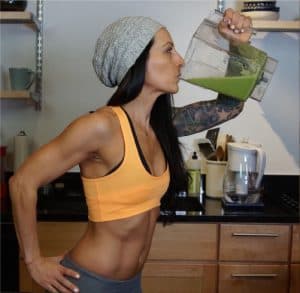 Nutrition is #2 on my list because your body uses every bite of food you eat to carry out its metabolic processes at a cellular level. You literally “are what you eat.” Skipping meals or going over your daily sugar recommendations regularly both cause fat storage.
Too often we sacrifice meal planning or cooking for taking shortcuts or getting caught up in the business of life, and that’s NOT doing us any favors.
If you pay attention to where your Protein (P), Carbohydrates (C), Fats (F) and Greens (G) are in your meals throughout the day, you’ll be ahead of the game, so aim to get:
- Protein in every meal – in roughly the size of your palm – but it’s important to pay attention to your life stage and goals as we don’t absorb the amino acids from our protein as readily as we age, meaning it can be beneficial to increase your intake over 40, and especially in perimenopause and menopause.
Here’s a great reference for how much protein to eat daily, best sources of it and how it benefits you. - Carbohydrates in your meals around your workouts and optimally in the morning – in roughly the size of your cupped hands.
- Here’s a great reference for choosing the RIGHT carbohydrates, how to incorporate them to your advantage, and the best ones to eat.
- Healthy Fats in your meals in the size of your thumb, and especially when you’re having greens.
Here’s a great reference for how fat works in your body so you can choose the best fats (the ones that help you LOSE fat), how fat helps your metabolism, and the best healthy fats to eat. - Greens in your meals in roughly the size of your fist.
Here’s a great reference on why we need greens, how fiber helps you lose fat, and how to incorporate the best greens easily into your daily intake
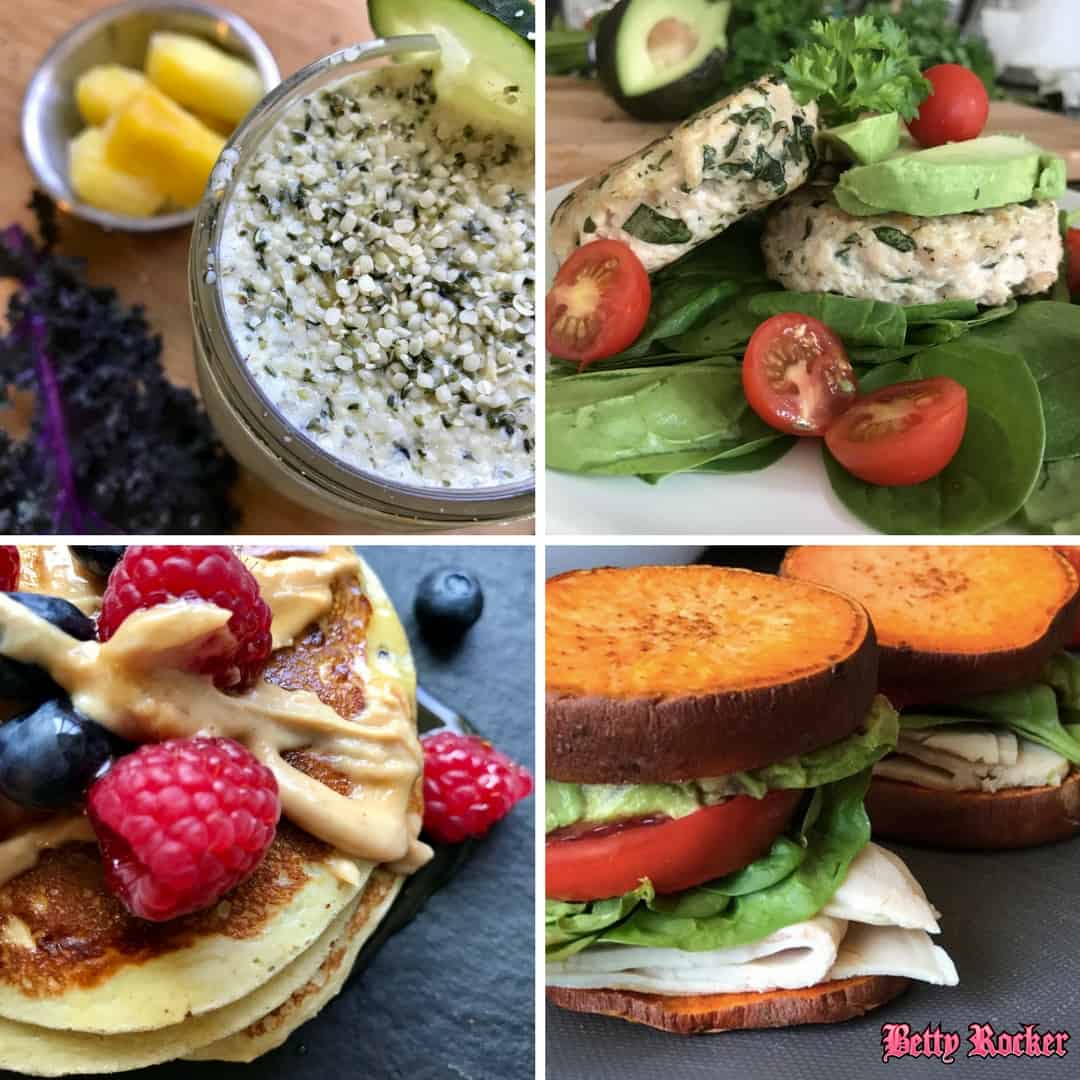
Tips to Help You with Nutrition:
- Keep an eye on how many grams of protein you’re eating at each meal. Since protein is more satiating than the other nutrients, when you include it in adequate amounts for your needs, you’ll be less likely to have cravings or to overeat.
- Read your food labels and avoid buying pre-made foods with added sugars, high sodium, or lots of chemical ingredients that you don’t recognize.
- If you’re having regular cravings, it’s often a sign of a deficiency in one of the key nutrients listed above – frequently protein or carbohydrates. Read the reference article I linked to to see if that could be a culprit for you!
- Get one of my flexible Meal Plans to help you put the nutrients together easily and simply and plan your plate – whether you’re doing all the cooking or taking healthy shortcuts.
3: STRESS RESILIENCE
Stress resilience refers to our body’s ability to handle the stress burden we have from day to day. We have an enormous capacity to handle stress, however we can all relate to the way it feels when we’re overwhelmed. That’s why practices that proactively support our body’s stress response, and build our resilience to stress, are so helpful to incorporate.

We want to take this seriously, as the impacts that unchecked stress can have on our bodies aren’t fun. Chronic stress has been scientifically proven to cause us to reach for comfort foods, undoing our efforts to have a balanced nutrition intake.
Elevated levels of the stress hormone, cortisol, cause belly fat storage – the area most people have the hardest time losing fat from. Elevated cortisol also causes faster muscle breakdown – meaning it can undermine our ability to build muscle “tone.”
And chronic stress really affects our brain, lowering our immune response so we get sick more often, recover more slowly from injury, and are simply unable to maintain a state of health and vitality.
 While a workout is a type of healthy stress when we are healthy and rested coming into it, it can also become a not-so-healthy stress if we overtrain. Over-focusing on exercise can cause our 4-pillared chair to become imbalanced.
As we age, and get into perimenopause our hormone levels (of estrogen, progesterone and testosterone) begin to drop. This process continues to the post menopause life stage, when they reach their lowest level. Lower levels of these hormones mean we are more sensitive to the impact that cortisol has. So proactive actions that improve our stress resilience become extra beneficial and supportive.
Try these 12 Ways to Improve Your Stress Resilience tips for some great ideas!
There are external stressors and internal stressors. While we can’t always control external stressors, working on strengthening our ability to manage our internal stressors creates a lot of “mental muscle” that helps us deal with things life throws our way.
I’m talking about the inner dialogue we all have, that inner mental game and mind soup we live in that no one knows about fully but us. It’s so important that you get access to frameworks that empower you to think in positive ways and love yourself – because at the end of the day, it’s between you and you.
And that is the defining factor that creates true, lasting success, fulfillment and happiness – the way we THINK.
4: EXERCISE
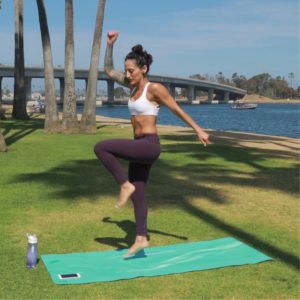 Yay! Exercise! Exercise has so many benefits, like being a natural stress reducer (when we do it IN BALANCE, not when we overdo it). It’s been helping me naturally beat depression and anxiety since I was 17, and helps me have a strong, healthy fit body that I’m proud of.
Exercise gets the blood flowing through your entire body, including your brain – which helps you focus, think more clearly and perform better. Exercise promotes glowing, healthy skin – as long as you’re hydrated and eating food to support your training.
Exercise energizes us, and improves our immune system by helping to move our lymph fluid through our body and keeping all the circulatory fluids flowing.
It has the potential to sculpt lean muscle (when we recover and eat and sleep around our workouts) which in turn improves our resting metabolic rate, making us faster fat burners – not to mention stronger, more capable and more resilient!
There are all these awesome benefits and reasons to exercise – and it FEELS GOOD when we do it. Just keep in mind that it needs to be done in BALANCE with the other pillars to be supportive!
COACHING AND SUPPORT
Even professional athletes, who train at the highest level can’t neglect their 4 chair legs (I just like to imagine them having really high chair legs). Because the bar is so high for their athletic performance, they train at the highest level. And to stay in the game and be successful, you better believe they are getting optimal sleep, nutrition and stress management techniques. They have coaches and trainers who are dedicated to making sure that happens.
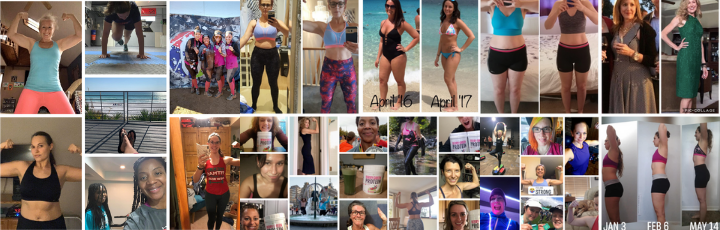
While I can’t physically come to your house every morning and get you to exercise, I CAN be with you anytime you want me to coach you and motivate you with my home gym and fitness membership Rock Your Life, complete with dozens of challenge programs to choose from!
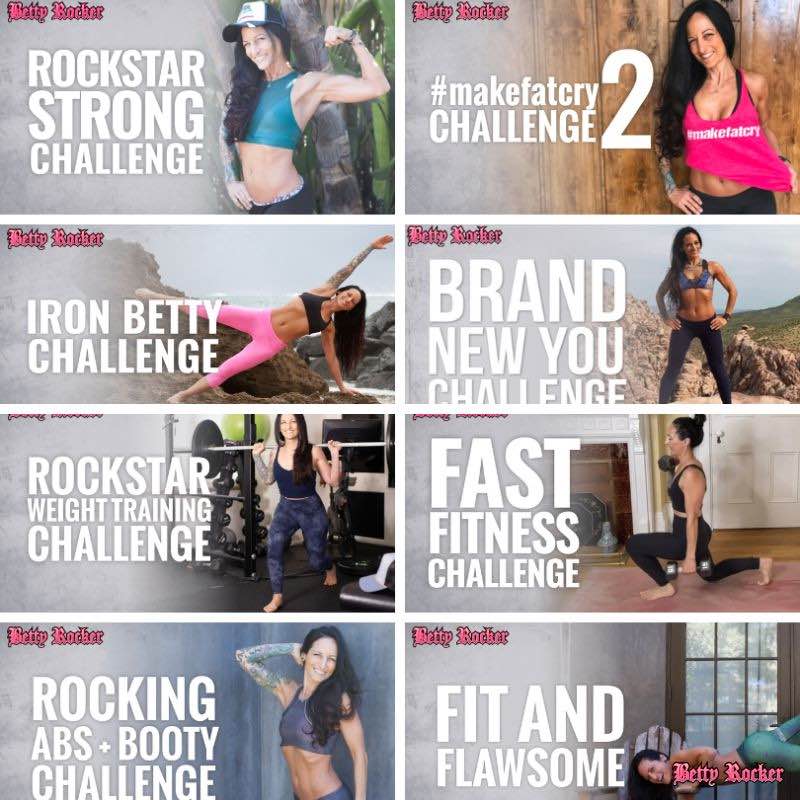
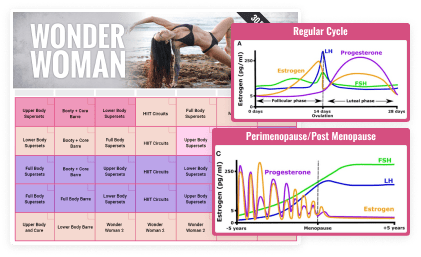
All my 80+ challenge workout programs inside Rock Your Life include options for women in different life stages, and there is custom guidance for you too, including guides for training and eating in your cycling years, perimenopause and post menopause.
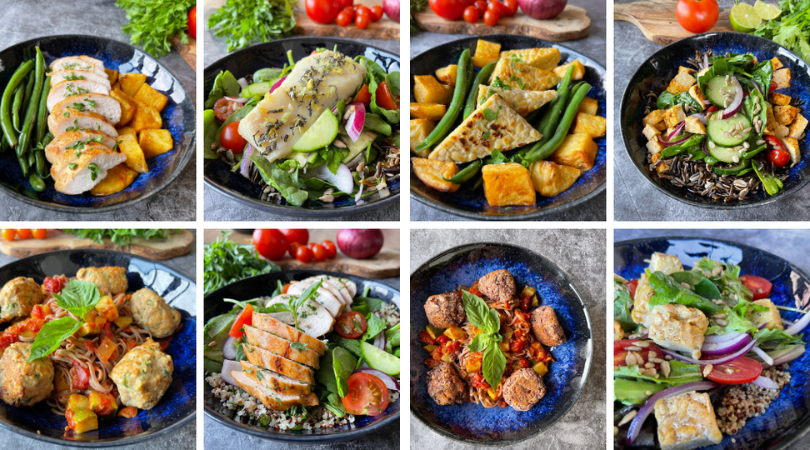
Plus there is amazing nutrition support, with over 500 healthy recipes, customizable serving sizes, automated grocery list builders and so much more.
This is the ultimate program for putting everything in action for yourself – join us today!
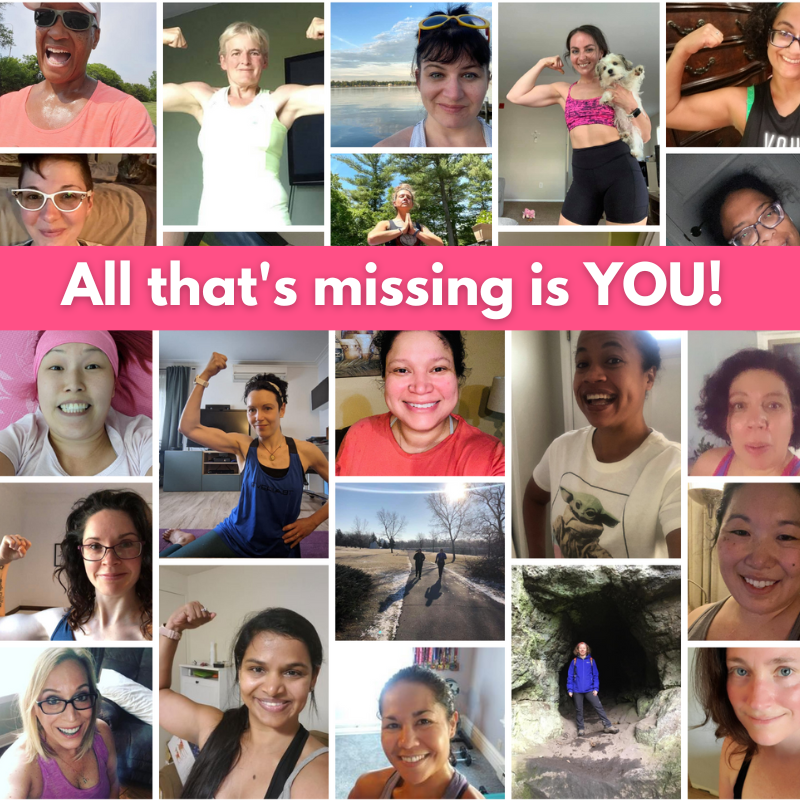
Take a few minutes today and think about yourself and these 4 pillars of your health. I’m guessing that you’ve already identified the one(s) that need some of your attention. Share your insights with me in the comments below.
Give the pillar that needs it some attention.
Get some new resources.
Spend the time.
- Andrews, Ryan, and St. Pierre, Brian. “Forget calorie counting: Try this calorie control guide for men and women.” Precision Nutrition. Web. https://www.precisionnutrition.com/calorie-control-guide
- Dallman, Mary F., et al. “Chronic stress and comfort foods: Self-medication and abdominal obesity.” Science Direct. November 2004. Web. https://pdfs.semanticscholar.org/8ec8/644ad9887a9e7f9702298b38dff42fd02af0.pdf
- Leproult, Rachel, and Van Cauter, Eve. “Role of Sleep and Sleep Loss in Hormonal Release and Metabolism.” US National Library of Medicine National Institutes of Health. November 2009. Web. https://www.ncbi.nlm.nih.gov/pmc/articles/PMC3065172/
- Mariotti, Agnese. “The effects of chronic stress on health: new insights into the molecular mechanisms of brain-body communication.” US National Library of Medicine National Institutes of Health. November 2015. Web. https://www.ncbi.nlm.nih.gov/pmc/articles/PMC5137920/
- Okamoto-Mizuno, Kazue, and Mizuno, Koh. “Effects of thermal envionment on sleep and circadian rhythm.” US National Library of Medicine National Institutes of Health. May 2012. Web. https://www.ncbi.nlm.nih.gov/pmc/articles/PMC3427038/